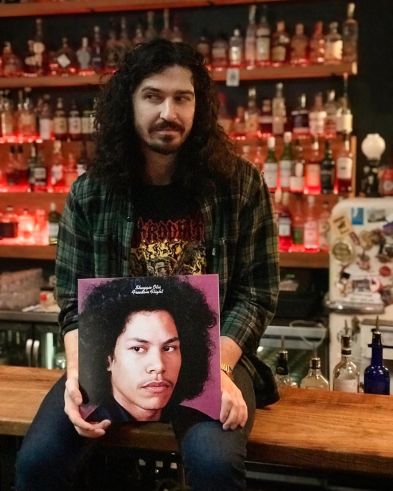
RECORD OF THE WEEK: SHUGGIE OTIS – FREEDOM FLIGHT (1971)

66293764_399686673998815_4712993252425872204_n

Shuggie Otis – a precocious multi-instrumentalist and son of legendary rhythm and blues bandleader Johnny Otis – was fifteen years old he played bass on Frank Zappa’s Peaches en Regalia. At sixteen he released his debut album Here Comes Shuggie Otis and by seventeen he had released his sophomore album, 1971’s Freedom Flight. Best known for Strawberry Letter no. 23 – famously inspired by his girlfriend’s disposition for scented stationary – the song was covered by the Brothers Johnson in a Quincy Jones produced, platinum selling effort and has appeared sporadically in pop culture ever since. While Strawberry Letter is decidedly the album’s crown jewel, Freedom Flight has a veritable smorgasbord of funky delights to offer. Sweet Thang is sinuous, swampy R&B with a texture as rich and thick as molasses. The thirteen minute title-track verges on free jazz – the gentle ebb and flow of the rhythm section nudging the conversational duel between guitar and saxophone into the ecstatic. Meanwhile, the barnstorming album opener, Ice Cold Daydream, is adorned with lashings of Wah Wah guitar over a throw-down rock n roll beat, suggesting the influence of Jimi Hendrix on the young Shuggie. Although he plays all the instruments on Freedom Flight, Otis’ guitar playing is virtuosic. Veering between soul, jazz, funk, rock n roll and the blues, many of Freedom Flight’s most transcendent moments hang on the sheer vitality of the Shuggie’s playing. After releasing the excellent Inspiration Information three years later in 1974, Otis entered a period of self imposed exile from the music industry at twenty-two years old, appearing on only a handful of sessions until re-emerging in 2014. Shuggie’s musical output from fifteen to twenty two is remarkable, achieving the kind of growth and output in a few short years that most artists spend their lives chasing. Freedom Flight is a remarkable record – a great introduction to Shuggie’s genius and a valuable insight into the depth and scope of his vision.
RECORD OF THE WEEK: METALLICA – METALLICA (1991)

65915391_2261818090562109_6621302476782920496_n

Metallica’s 1991 self titled album, dubbed “the Black Album” by fans for its iconic black sleeve, thrust Metallica and heavy metal into the mainstream. At the time it served as a critical counterpoint to the cock rock that dominated the charts, led by the likes of Bon Jovi and Def Leppard. Metallica’s previous four albums had set the metal world on fire, a series of thundering thrash metal records that helped revolutionise the genre, however in order to achieve the commercial success that they had sniffed with their previous record …And Justice For All, their creative process would need to shift. To facilitate this change, Metallica enlisted the services of producer Bob Rock – previously the fastidious producer of Bon Jovi and Mötley Crüe. As one might imagine, this decision drew a considerable amount of controversy from Metallica’s core fan base. Would Bob Rock dilute the mighty Metallica into another flouncy commercial rock band? Were they selling out? While the Black album did mark a shift away from speed metal and prog-influenced arrangements, the muscular riffs and powerful grooves that had always defined the band remained very much intact. The songwriting here is more succinct and Bob Rock’s sonic contributions make the album feel huge. Metallica compromised just enough to storm the pop charts while retaining their heavy metal DNA. The album was an enormous commercial success. It is currently the highest selling album ever in the United States and debuted at number 1 all over the world. Album highlights include Enter Sandman, Nothing Else Matters, Sad But True and Wherever I May Roam. Did Metallica sell out? As then-bass player Jason Newsted once quipped, “Yes, we sell out: every seat in the house, every time we play, anywhere we play.”

RECORD OF THE WEEK: (WHAT’S THE STORY) MORNING GLORY? – OASIS (1995)

65281236_137847434079971_3688701547933100789_n

A year after the release of their debut Definitely Maybe in 1994, Oasis released their sophomore offering (What’s the Story) Morning Glory to much fanfare, hitting number one on the album charts in ten countries, garnering fifteen platinum certifications from the British Phonographic Industry and eventually becoming the highest selling British album of the Nineties. Following this outrageous success came daily tabloid appearances for the Gallagher brothers, frequent comparisons to the Beatles, the crystallisation of the Britpop genre and the explosion of independent rock n’ roll. Underneath all this hype and bravado, though, is a meticulous and heartfelt album that is built on great songwriting. Noel Gallagher’s ability to write melodic, soaring chorus lines made Wonderwall, Don’t Look Back in Anger and Champagne Supernova into anthemic, monster hits that are tender and introspective but not at all out of place in a drunken pub singalong either. The production is certainly more polished and nuanced than Definitely Maybe, giving Gallagher’s songs the depth and size that they need to soar. Underneath the mammoth ballads on this record it’s easy to forget that Oasis are a great rock n roll band too – Hello, Roll With It, Hey Now and She’s Electric all sizzle with urgency and electricity, taking cues from T Rex, the Rolling Stones and of course, the Beatles. Oasis have always worn their influences on their sleeve but rock has long been a culture populated by musical bowerbirds. So much on this record is shaped by what came before it, but conversely, Morning Glory also shaped everything that came after.

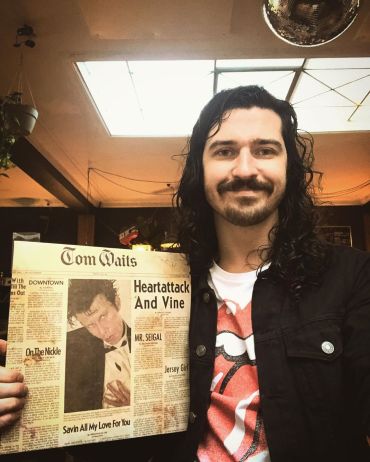
RECORD OF THE WEEK: TOM WAITS – HEARTATTACK AND VINE (1980)

65191012_1515355878601500_5570266034615760907_n

“Don’t you know there ain’t no Devil? That’s just God when he’s drunk.” Rasps Tom Waits in Heartattack and Vine’s title track. Here we find Waits deep in his element, hollering and spitting barroom melodrama that boils over with tough-guy bravado, lounge lizard cool and more tall tales than you can poke a drunken piano at. Waits’ bluesman-meets-hobo-meets-beatnik routine seems cliched until you realise that there is nobody quite like him – he is a master of constructing environments and subverting expectations – perhaps the greatest bullshit artist rock n’ roll has ever known. On Heartattack and Vine we find one of Waits’ biggest hits, Jersey Girl, a ballad written for his then-sweetheart, now wife and collaborator Kathleen Brennan. Jersey Girl caught the ear of a young Bruce Springsteen who covered it as a B-side to his top ten hit Cover Me and has since used it as a staple of his live performances, exposing Waits to a mainstream audience – Heartattack and Vine would become Waits’ most commercially successful album until 1999’s Mule Variations. Album highlights include the scowling title track, the freewheeling abandon of Mr. Siegel, the sentimental lilt of Jersey Girl and the laid back sleaze of the instrumental In Shades. This record is the soundtrack to an evening in a smoky bar and all of the strange and beautiful possibilities that await within. If you’re new to Tom Waits this is a great place to start.