RECORD OF THE WEEK: KISS – ALIVE! (1975)

75430282_721344208343447_5851372525644087376_n

Although Alive! is Kiss’ fourth LP, it is their very first top ten hit and the breakthrough record that turned them into superstars. This double disc live LP was recorded by the legendary Eddie Kramer (Hendrix, Beatles) and documents Kiss at their larger-than-life best on the 1975 Dressed To Kill tour. Alive! functions as a de facto greatest hits compilation using the best material from their first three records and allows the band to strut their stuff in a live setting where they sound much more at home than in the sterile confines of a recording studio. The roar of the live crowd certainly adds legitimacy to the exuberance and bombast for which the band is infamous. Frontman Paul Stanley asserts that “I never thought any of our first three albums captured the intensity of what the band was going for or was. And it was a problem because people would come to see us and many of them weren’t buying our albums.” Alive! was the turning point where a band with a great live show who had trouble moving records became one of the most commercially successful acts of all time. It allowed them to channel the blood spitting, pyrotechnic chaos of their stage show and finally sound as ferocious as they looked. Heavy on the cheese but all the better for it, Alive! is driven by the campy caricature at the heart of Kiss’ persona. A remarkable live album and a whole lot of fun, Alive! is a document of the band at their absolute best.
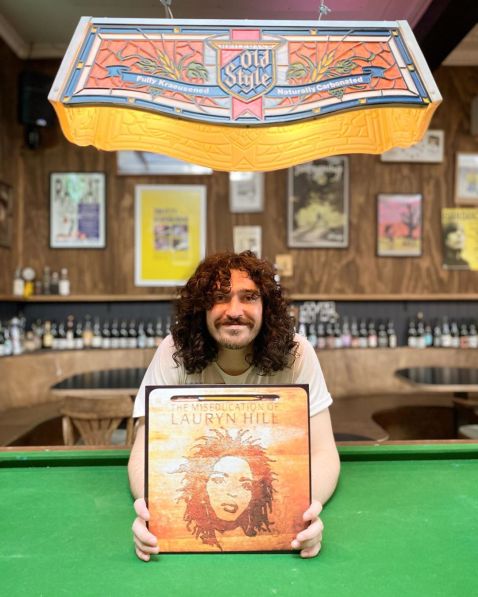
RECORD OF THE WEEK: MS LAURYN HILL – THE MISEDUCATION OF LAURYN HILL (1998)

75349284_2475597156022047_7200523832686504448_n

In November 1998, freshly split from the Fugees, Ms Lauryn Hill dropped her first solo album: The Miseducation of Lauryn Hill. In Hill’s words, she set out to “write songs that lyrically move me and have the integrity of reggae and the knock of hip-hop and the instrumentation of classic soul.” Miseducation busted all three genres wide open, becoming wildly successful and influential in the process and ending up on every top albums list, magazine cover and sales chart possible. Recorded largely at the studio Bob Marley built, Tuff Gong studios in Kingston, Jamaica (while she was pregnant with his grandchild no less), the heart and soul of Miseducation is driven by a plucky reggae groove and a lyrical predisposition towards love and personal growth. The influence of soul is represented in Hill’s soaring hooks and the sugar-coated, Motown flavoured doo-wop embellishments that underpin many of the songs as well as in the dazzling guest spots from D’Angelo and Missy Elliott. Finally, the effect Miseducation had on the hip-hop community is singular – to a market oversaturated by violent, materialistic and heavily sexualised gangsta rap, Miseducation was a breath of fresh air. A strong, visionary female MC with a message of love was a wake-up call to established artists and an inspiration to many more. After the release of Miseducation, a bitter legal battle with production team New Ark over credit and compensation led to Hill’s extended retreat from the public eye making this record and her MTV unplugged session her only solo records. If anything, the scarcity of her work makes Miseducation even more precious.

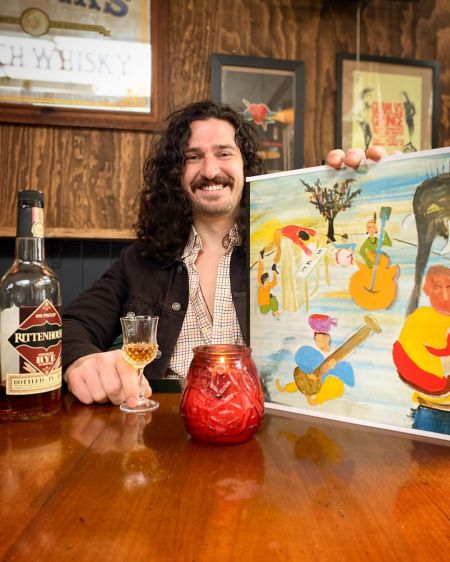
RECORD OF THE WEEK: THE BAND – MUSIC FROM BIG PINK (1968)

72751003_409669563054832_4687224775674812580_n

In 1966, Bob Dylan was at the peak of his powers – he had just rejected protest music in favour of loud, bawdy rock n’ roll, he had released Highway 61 Revisited and Blonde on Blonde in the space of a year and, supported by The Band, he had embarked on an amphetamine-fuelled world tour that made him the biggest pop-star in the world after the Beatles. Then disaster struck: Bob Dylan suffered a motorcycle accident and disappeared from the public eye without a trace. While the Summer of Love dawned, psychedelia reigned and Woodstock changed the world, Dylan was quietly recuperating from his injuries and writing new songs with the Band in a rented house in the wilds of New York State called Big Pink. After spending the summer writing and recording with Dylan, the band was hot property and their debut record, Music from Big Pink, certainly did not disappoint. In a market saturated with electric blues and psychedelia, the Band’s sound skewed instead toward American roots music and is often considered the birth of the Americana genre (which is ironic because every member the Band except drummer Levon Helm is Canadian). The swampy rhythms of the Band largely represented a fresh musical ideology that inspired a new era in rock music. After hearing Music From Big Pink, Eric Clapton was reportedly moved to quit Cream in pursuit of the more roots based style. George Harrison and Roger Waters were reportedly similarly inspired. Even Bob Dylan had abandoned many of his blues-rock adornments when he returned from hiatus. Stylistic elements aside, Music From Big Pink is supported by great songwriting. The Dylan contributions (Tears of Rage, This Wheel’s on Fire and the stunning album closer I Shall Be Released) cover of country staple Long Black Veil are great, but the Band’s own material, particularly their biggest hit The Weight, more than holds its ground in such esteemed company. Music from Big Pink transformed the Band from Dylan’s backing band to stars in their own right, its magic and mystique as powerful today as it ever was.

RECORD OF THE WEEK: PRIMAL SCREAM – SCREAMADELICA (1991)

71117543_1357235514434083_31530080873718747_n

When Screamadelica dropped in 1991, people were initially quite confused. It sounded nothing like Primal Scream’s previous two LP’s, was laden with samples and electronic instrumentation and was largely produced by legendary house DJ Andy Weatherall. Was this some sort of crossover attempt? Is this a rock n’ roll record? Sometimes – there are a couple of cuts (Movin’ on Up and Damaged) produced by Rolling Stones engineer Jimmy Miller which brim over with the Stonesy swagger that would be further explored by the chameleonic Primal Scream on their next LP, Give Out But Don’t Give Up. Loaded also borrows the groove from the Stones’ Sympathy For the Devil. The rest of the time Screamadelica isn’t really a rock record at all, but it’s hardly a house or electronic record either. Inspired by the Beach Boys’ masterpiece Pet Sounds and the psychedelic culture that spawned it, Screamadelica uses a kaleidoscopic palette of dance, rock, gospel, jazz and dub bound together by the infectious, loose grooves that made it a landmark party record of the early 90’s and the recipient of the very first Mercury Prize. If a Rolling Stones album got dragged to the club by its mates and steadily fed MDMA, ketamine and Jäger-bombs all night, there is a good chance it would end up sounding a lot like Screamadelica: absolutely wild.