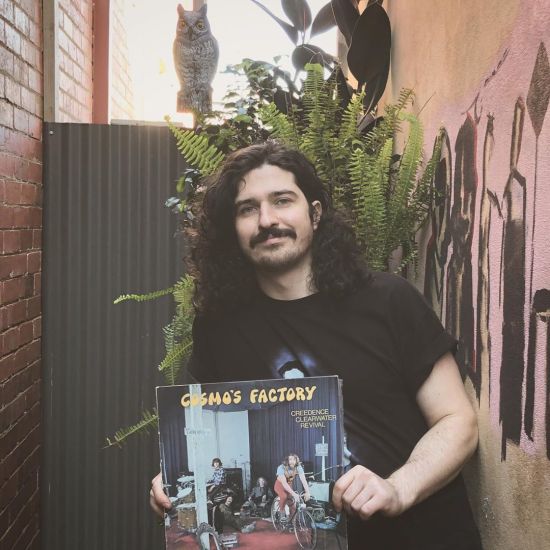
Creedence Clearwater Revival are synonymous with summertime BBQ’s, Vietnam War movie soundtracks and last call at your local dive bar. They are so ubiquitous that perhaps to some degree they are taken for granted in the classic rock canon. Their sound is a marriage of the slap-back soaked honky tonk of Nashville’s Sun Records and the bluesy, guitar driven grind of Chicago’s Chess records. Their songs are stylised to sound as if they are drifting from the depths of a Louisiana swamp yet their sun-kissed California image and hook laden songs land a little closer to the Beach Boys. A truly American band, Creedence is a collage of all of these things and Cosmo’s factory stands as their crowning glory. It is also the beginning of the band’s implosion – chief writer and lead vocalist John Fogerty kept a tight leash on the band, insisting on being the band’s only singer/songwriter and business manager. Drummer Doug “Cosmo” Clifford dubbed his house the “Factory” as Fogerty made them rehearse there almost every day. Tensions simmered for years and rhythm guitarist Tom Fogerty, John’s brother, quit after the completion of this album. Most of the songs on this record ended up as hits in one way or another, each flawlessly executed by a band at the peak of their powers, somehow so perfectly polished in all their swagger and raggedness, leaving Cosmo’s Factory as a high water mark in Creedence’s impressive career.
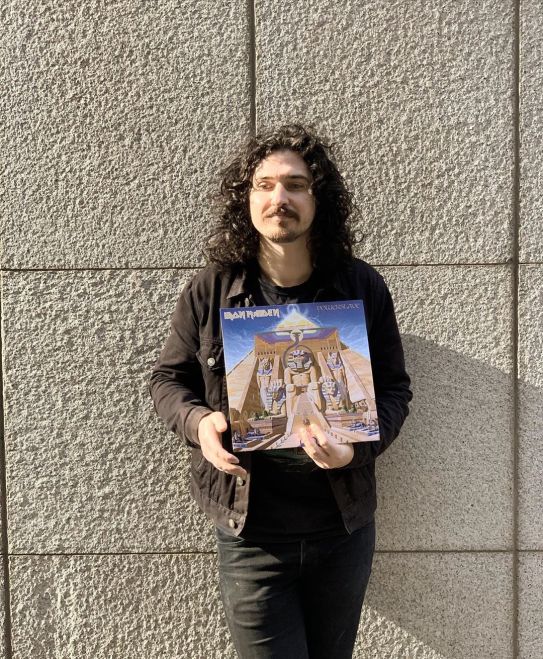 Iron Maiden’s galloping, literary brand of heavy metal had been on a roll since the inclusion of pilot, olympic-level fencer, mystery novel writer and former Samson vocalist Bruce “the human air raid siren” Dickinson as their frontman. Moving away from the punk influenced sound they’d established with previous frontman Paul Di’Anno, Maiden moved from strength to strength with Dickinson at the helm, riding the wave of popularity that came with the New Wave Of British Heavy Metal spearheaded by Judas Priest and Motörhead. The third album featuring Dickinson, Powerslave positioned Iron Maiden at the very crest of heavy metal and the subsequent tour allowed Maiden, already wildly popular in the UK and Europe, to headline huge venues during their gruelling tour of the United States, adding world domination to their already impressive resume. The album begins with the one-two punch of album openers Aces High and 2 Minutes to Midnight (written about an RAF dogfight during the Battle of Britain and the doomsday clock respectively), and ends with 13-minute album closer Rime of the Ancient Mariner – an epic based on the Coleridge poem of the same name and favourite of college radio DJ’s who, due to its length, had ample time to smoke a joint whenever it was played. Chief songwriter and bassist Steve Harris’ ability to craft compelling, anthemic material from historical sources made Iron Maiden quite distinctive in the often tropey world of heavy metal and the band’s technical mastery of the form reached new heights on Powerslave, unquestionably cut during the band’s prime and ensuring their legacy for years to come.
 Pete Whelan